

Natural assets, photoprotectors, and essential oils
WHAT ARE NATURAL ACTIVES AND THEIR FUNCTIONS?
Natural actives are substances with great potential for industrial use, obtained exclusively from nature, such as plants, flowers, roots, and mineral extracts like clays. They are responsible for moisturizing the skin, nourishing, healing, and regenerating, according to their function within the formula.
Main natural actives:
- Extracts: They have a high concentration of plant actives and can help extend product shelf life. This is due to the oxidative stability these actives possess. Examples of extracts: aloe vera, caviar, and okra.
- Oils: These are fats extracted from plants, rich in triglycerides, and have great emollient and nourishing properties. Examples of oils: macadamia, apricot, coconut, and grapeseed.
- Butters: Extracted from plant seeds, they are rich in fatty acids, sterols, and vitamins. Examples of butters: cupuaçu, cocoa, and shea.
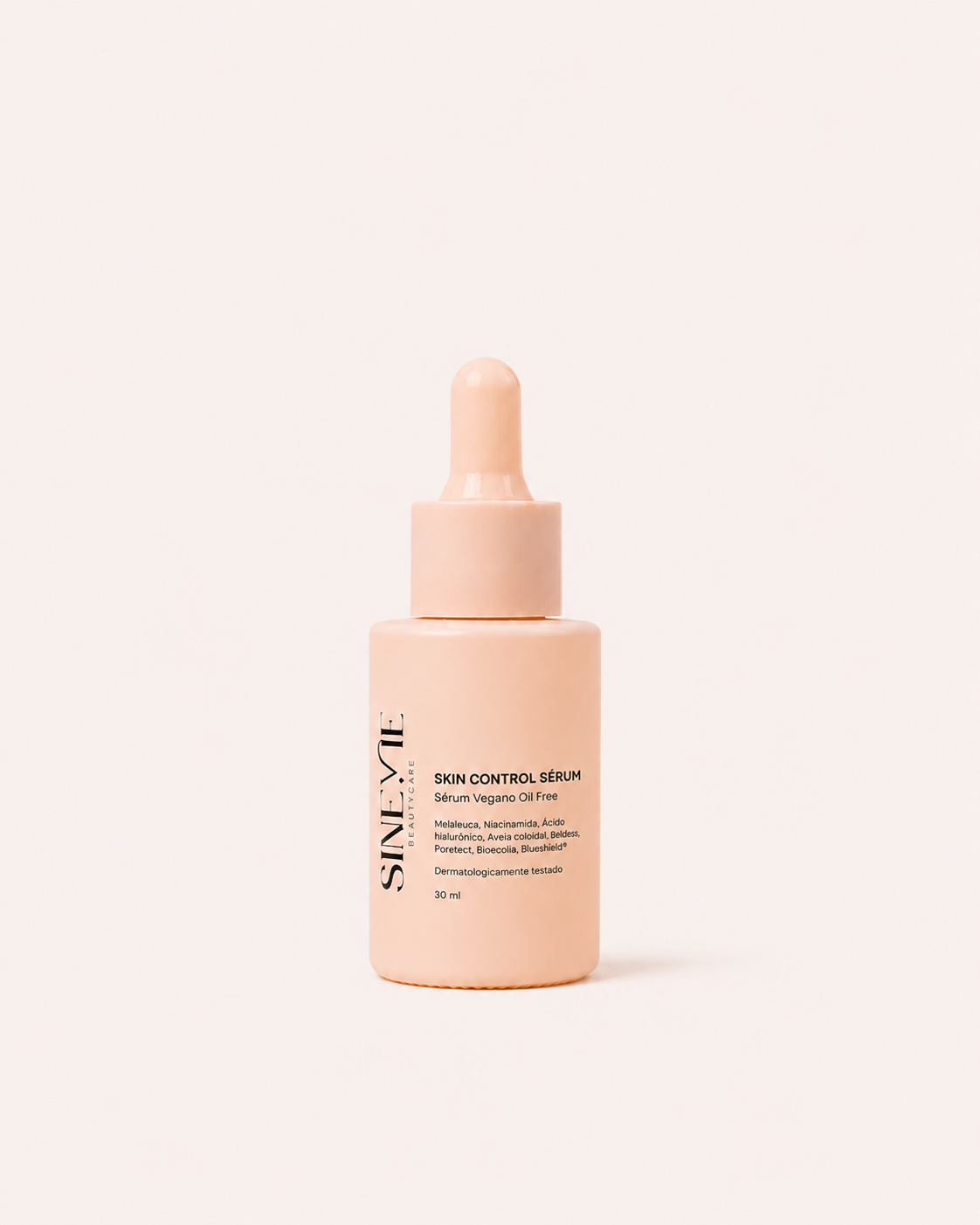
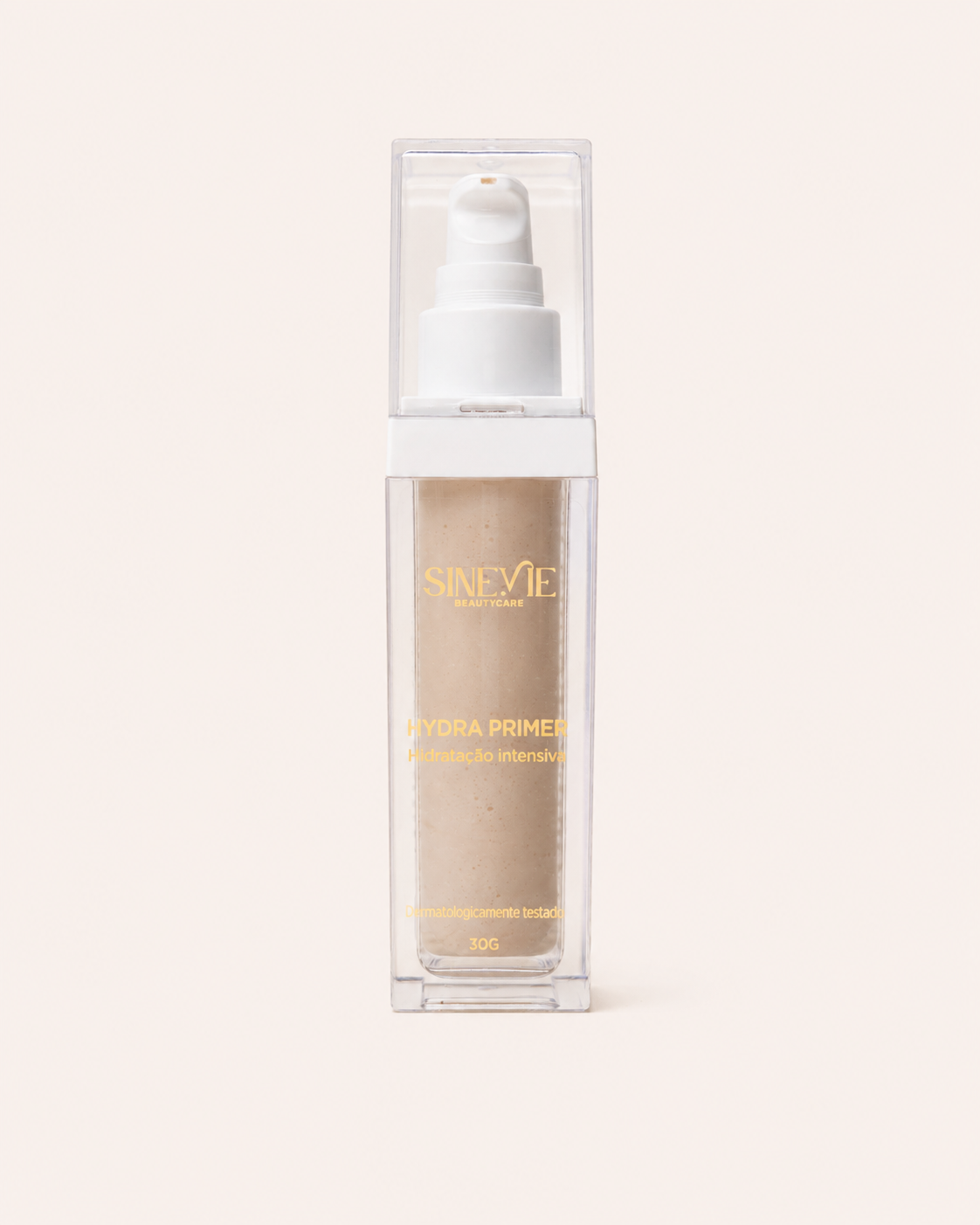
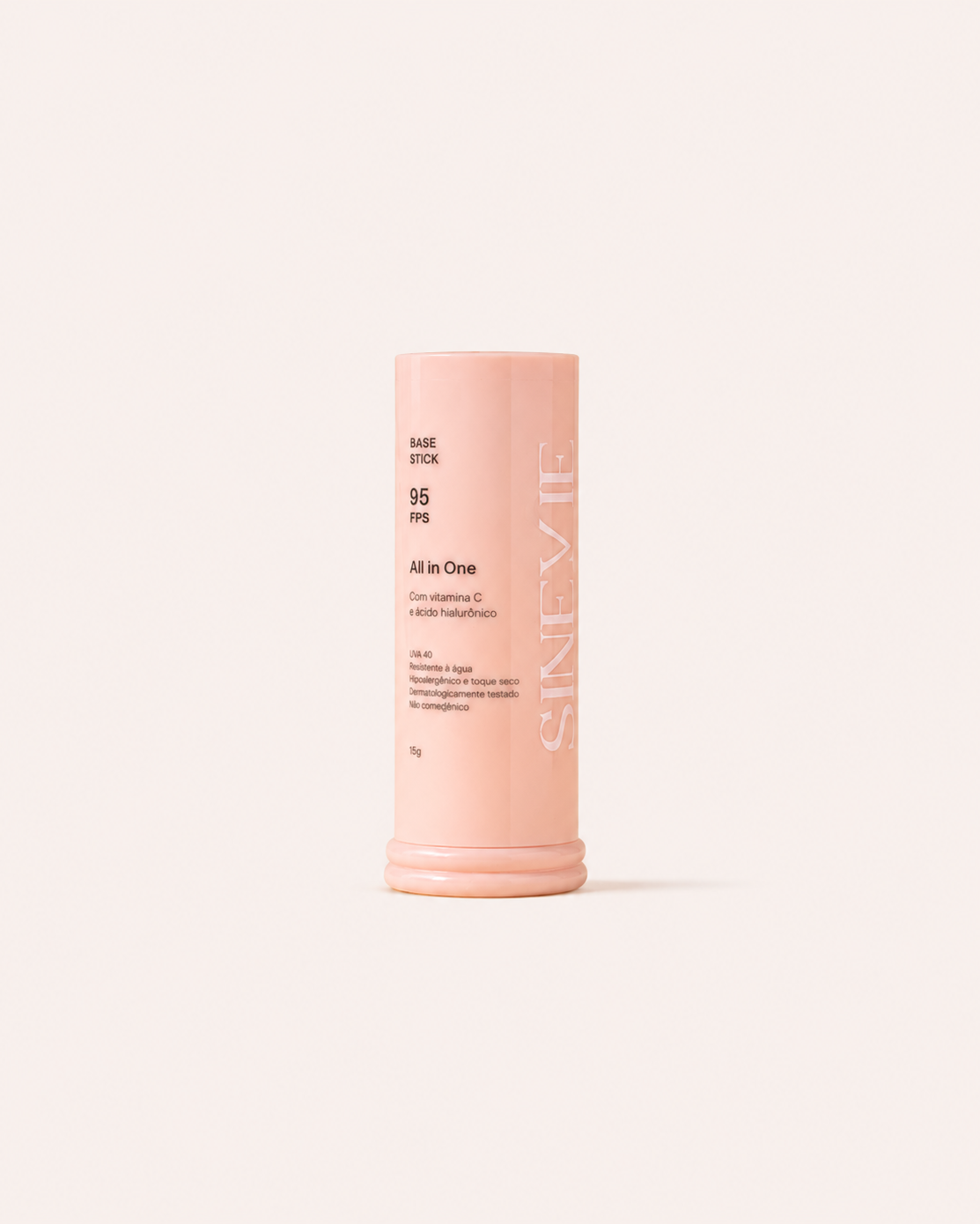
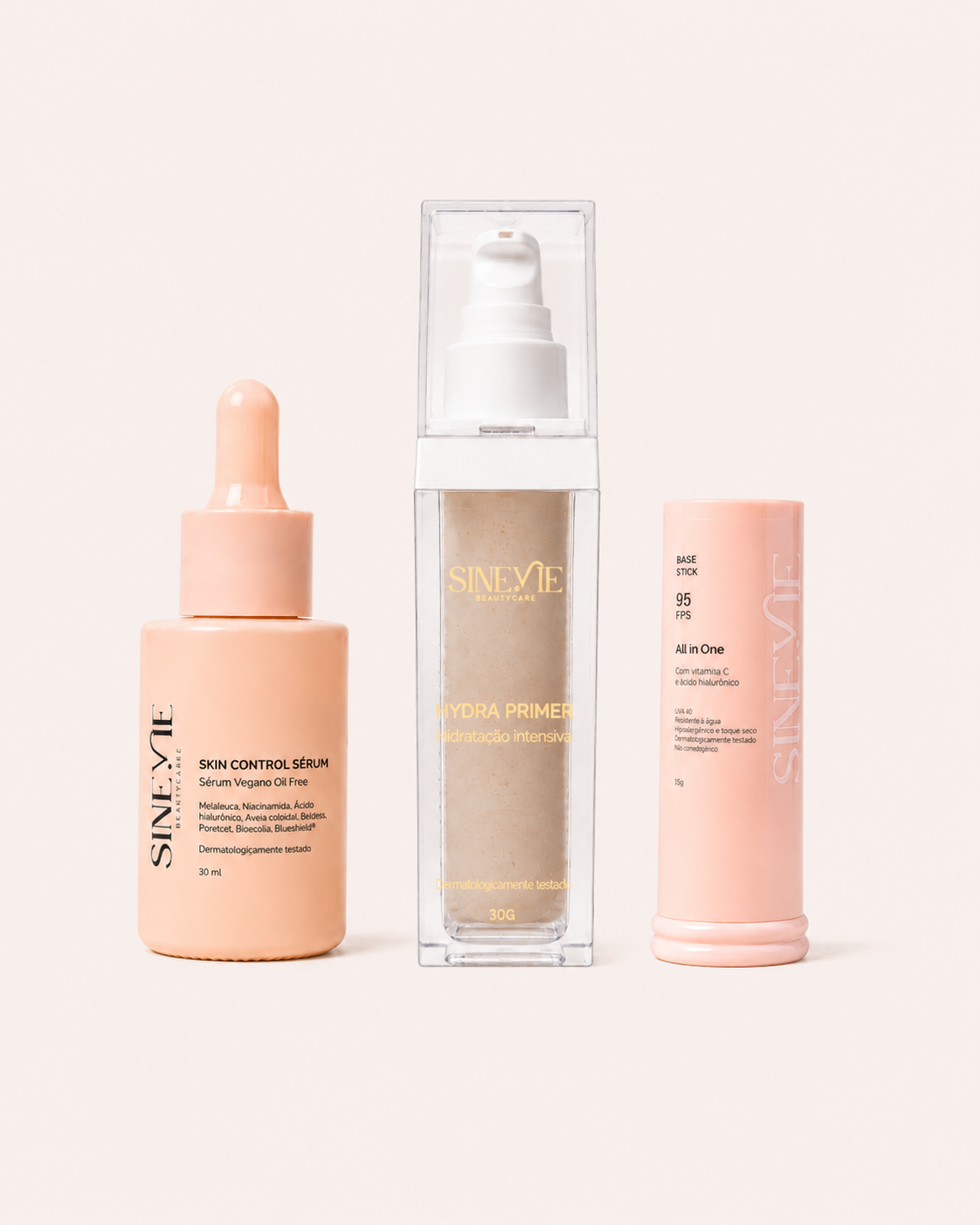
Some examples of natural actives used in SineVie BeautyCare products:
COLLOIDAL OATMEAL: It offers benefits such as deep hydration due to its ability to retain moisture, helping to keep the skin hydrated and prevent dehydration. It has soothing and anti-inflammatory properties, making it ideal for sensitive and irritated skin, and antioxidant action, protecting the skin against free radicals.
TEA TREE: Tea tree, also known as melaleuca, is a natural ingredient widely used in the cosmetic industry due to its medicinal and therapeutic properties. It has antiseptic, anti-inflammatory, and antibacterial properties, helping to reduce inflammation and eliminate acne-causing bacteria, making it a popular active in products for acne-prone skin. It can also help regulate sebum production in the skin, making it a good option for people with oily or combination skin. Its anti-inflammatory properties help reduce swelling and redness in various skin conditions.
AÇAÍ: Açaí, an Amazonian fruit, is valued in the cosmetic industry for its nourishing and antioxidant properties. Rich in antioxidants, it helps combat free radicals, preventing premature skin aging and reducing wrinkles and sagging. Açaí oil is highly moisturizing and emollient, ideal for dry and dehydrated skin. It also soothes irritations and inflammations, making it suitable for sensitive or acne-prone skin. Furthermore, it has energizing properties that revitalize skin tone and promote cell regeneration, resulting in firmer and healthier skin.
SHEA BUTTER: Shea butter is an excellent emollient that retains skin moisture, making it ideal for dry and dehydrated skin. Rich in tocopherols (vitamin E), it has antioxidant properties that combat free radicals and prevent premature aging. It also has anti-inflammatory action, soothing irritations and being useful for sensitive skin. Additionally, it acts as a natural sunscreen, protecting against UV radiation damage.
MURUMURU BUTTER: Murumuru butter, extracted from the seeds of the native Amazonian palm, is rich in fatty acids and has nourishing properties, similar to shea butter. It offers intense hydration, restoring moisture to the skin and hair.
BISABOLOL: Bisabolol, especially alpha-bisabolol, is widely used in cosmetics for its calming and anti-inflammatory properties. Extracted from Candeia tree oil, it reduces inflammation and relieves conditions such as dermatitis and rosacea, soothing sensitive skin. In addition to being an excellent moisturizer, it improves skin texture and has antimicrobial properties that protect against infections. Its antioxidant actions also help prevent premature skin aging.
OLIVE OIL: Olive oil is a popular ingredient in cosmetics, known for its emollient and nourishing properties. Extracted from olives, it is rich in antioxidants, essential fatty acids, and vitamins. Its main benefits include intense hydration, combating premature aging, anti-inflammatory action for sensitive skin, aiding skin regeneration, and facilitating the penetration of other active ingredients, increasing product efficacy.
SUNSCREENS DEMYSTIFIED
Ultraviolet (UV) radiation can cause sunburns, skin neoplasms, and premature aging. Sunscreens work by absorbing or reflecting this radiation, preventing such conditions. Currently, there are various sunscreens with different protection spectra (UVA and UVB), compositions, and presentations, making the use of UV protection essential due to the increase in skin cancer and other diseases associated with sun exposure.
Sunscreens are cosmetic preparations that protect the skin by minimizing the harmful effects of UV radiation through absorption, reflection, or diffusion. They can be classified as chemical (organic) or physical (inorganic) filters.
Chemical filters absorb UV radiation and dissipate energy in the form of heat, being effective against UVB and UVA rays. Common examples include para-aminobenzoic acid (which only absorbs UVB), cinnamates, benzophenones (with low photostability), and dibenzoylmethanes (which absorb UVA).
On the other hand, physical (inorganic) filters are opaque substances that create a film on the skin, reflecting light. Although they offer good protection, they are less cosmetically acceptable due to their thick texture and difficulty of application. Examples include titanium dioxide, zinc oxide, magnesium oxide, kaolin, and ichthyol.
References:
Nascimento, L. F.; Santos, E. P.; Aguiar, A. P.; Organic Photoprotectors: Research, Innovation and the Importance of Organic Synthesis; Rev. Virtual Quim., 2014, 6 (2), 190-223. Web publication date: December 8, 2013
ESSENTIAL OILS – ADVANTAGES AND DISADVANTAGES
Essential oils are volatile and aromatic substances extracted from plants, flowers, fruits, and seeds, whose use dates back to ancient civilizations that employed them for therapeutic and medicinal purposes. The extraction of these oils can be performed by various methods, such as steam distillation, cold pressing, and enfleurage, each suitable for different types of plants and resulting in oils with distinct characteristics (LOURINHO, 2021).
These oils are fundamental in the cosmetics and personal care industry, being widely used for their aromatic and therapeutic properties, which add value to products. Additionally, they promote health and well-being, contributing to their growing popularity in cosmetics.
However, it is crucial to highlight the risks associated with the indiscriminate use of essential oils. Although considered natural products, they can cause allergic reactions and skin irritations if used in inadequate concentrations or by sensitive individuals. Furthermore, some essential oils are photosensitizing, increasing skin sensitivity to sunlight and potentially causing burns (SILVA, LIMA, PAZINI, 2020).
The lack of regulation in the production and commercialization of essential oils is a significant concern. The absence of specific standards can result in adulteration and low quality of products, compromising their therapeutic efficacy and posing risks to consumers.
Essential oils as preservatives ??
References:
LRM LOURINHO. In vitro characterization of the bioactivity of Eucalyptus globulus essential oil. 2021. Available at: <https://ubibliorum.ubi.pt/handle/10400.6/11718>.
SILVA, A. R. da; LIMA, L. P.; PAZINI, C. P. Development of a tablet based on Lippia alba essential oil. Research, Society and Development, [S.l.], v. 9, n. 9, p. e3973973, 2020. Available at: <https://rsdjournal.org/index.php/rsd/article/view/3973>.
IVANO, LRPFM; FREITAS, JF; NETTO,MF; Essential oils in the cosmetic industry and alternative medicine: benefits and challenges for responsible use. Revista Contemporânea, v. 3, n. 10, 2023.
Read more
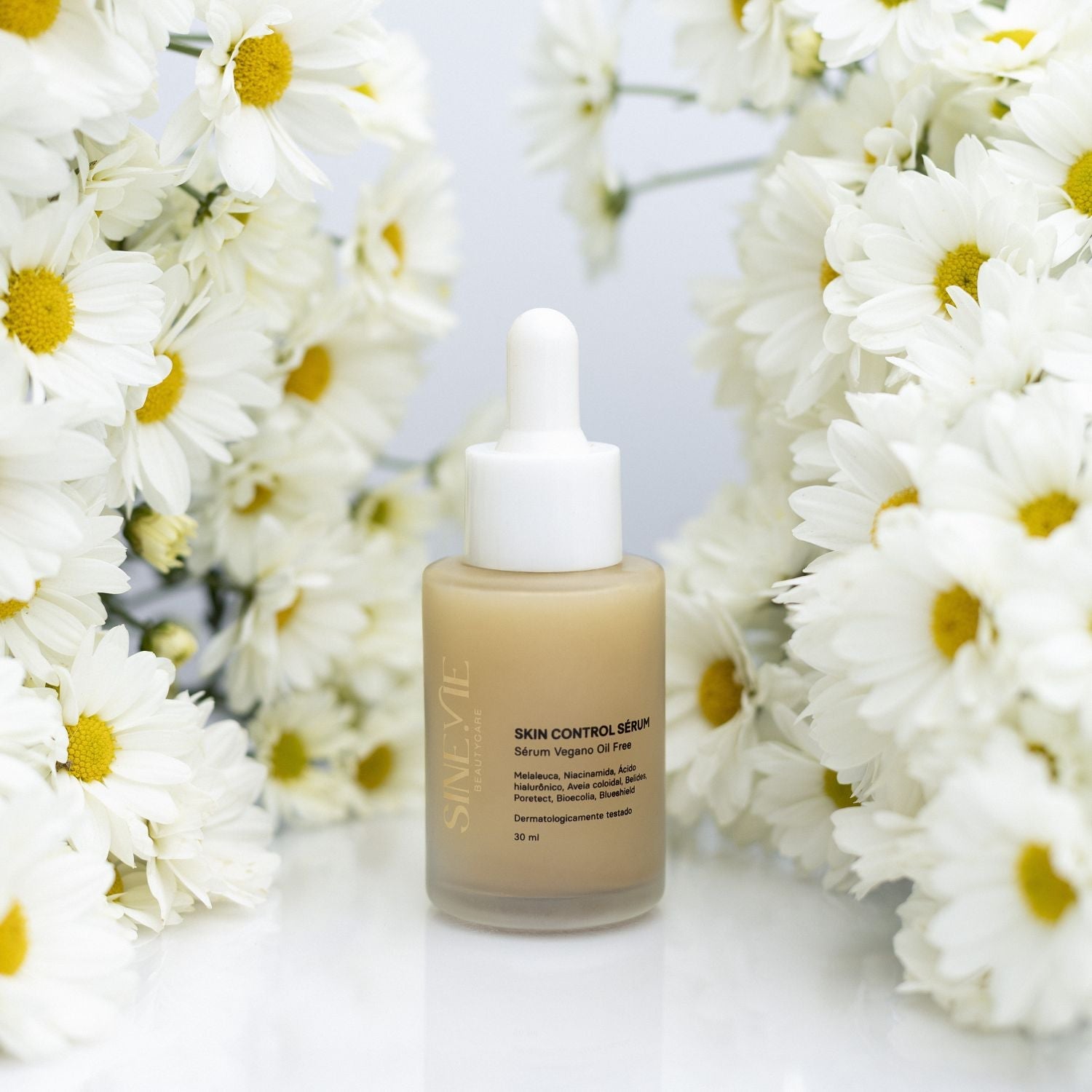
Nanoteatree. We know that pure tea tree essential oil has a very strong characteristic odor and can be irritating to the skin, even in small doses. However, it has anti-inflammatory and drying acti...
A warning! Vegan does not mean natural or clean beauty! It's important to note that a vegan cosmetic does not have the same definition as a natural or organic one. Thus, it can contain 100% synthet...